
Ferrari 365 GTC/4: The Practical Performance GT
1971-1972 | SN14179-SN16289 | 500 Built | The Most Livable Ferrari 365
When Ferrari unveiled the 365 GTC/4 in 1971, critics dismissed its styling as controversial, too sharp, too wedge-shaped, too aggressive for a grand touring coupe. Today, collectors recognize what those initial reviewers missed: the GTC/4 represents Ferrari’s most practical and livable 365 model, combining genuine V12 performance with real-world usability.
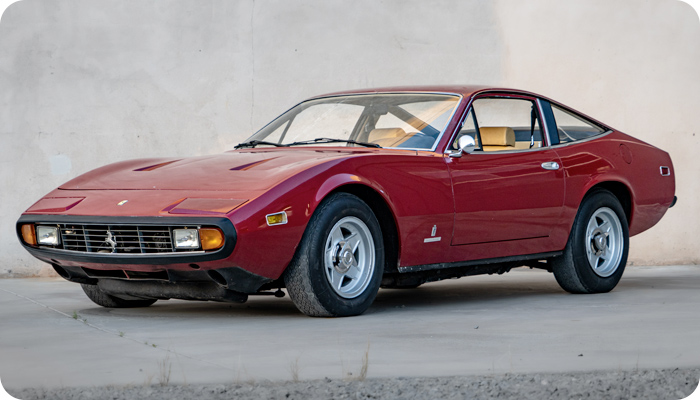
Ferrari produced only 505 examples of the GTC/4 between 1971 and 1972, making it considerably rarer than the iconic Daytona while offering something its famous sibling couldn’t: genuine rear seats, standard air conditioning, power steering, and a more compliant suspension suitable for extended grand touring. While the Daytona prioritized maximum performance, the GTC/4 delivered a more balanced proposition, a Ferrari you could actually drive daily without compromise.
The 365Ferrari registry documents these remarkable machines, preserving their specifications, ownership histories, and the stories of the 505 examples built during Ferrari’s brief two-year production run.
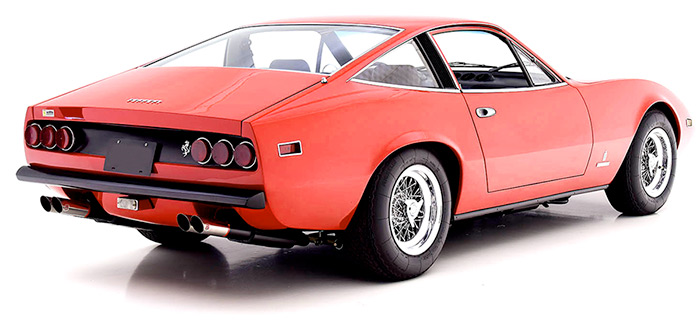
Ferrari 365 GTC/4 Quick Facts
- FERRARI 365 GTC/4 QUICK FACTS
- Production: 505 examples (1971-1972)
- Engine: 4.4L Colombo V12, 4-cam, 340 hp
- Layout: Front-engine, 2+2 seating
- Top Speed: 152 mph
- Serial Numbers: SN14179-SN16289
Ferrari 365 GTC/4 History
The Ferrari 365 GTC/4 (Type F101) is a 2+2 grand tourer produced by Ferrari from 1971 to 1972. It was based on the chassis of the Ferrari 365 GTB/4 “Daytona”, and in the very short two-year production run, 505 examples of the GTC/4 were produced. Its chassis and drivetrain, however, were carried over mostly unaltered (apart from a wheelbase stretch to provide more satisfying rear seat room) on its successor, the 1972 365 GT4 2+2.
The Ferrari 365 GTC/4 registry includes verified chassis records, historical documentation, and ownership-level research maintained for accuracy and discretion.
The Ferrari 365 California registry includes verified chassis records, historical documentation, and ownership-level research maintained for accuracy and discretion. The rest of the content on this page is restricted to members-only. This includes complete Ferrari 365 GTC/4 history, design details, specifications, driving experience, market values, and registry examples.
Explore 365Ferrari Membership
Verified documentation. Trusted provenance. Shared knowledge.
Ferrari 365 GTC/4 Design
The GTC/4’s coupé bodywork by Pininfarina enclosed two front and two rear seats. The rear seats were small, and the slanting rear window limited the rear headroom. So, it can be seen to replace the two-seat 365 GTC that had been discontinued in 1970.
With its wedge shape, fastback silhouette, sharp creases, and hidden headlamps the GTC/4’s styling clearly reflects the 365 GTB/4 “Daytona” it was based on. Power steering, electric windows and air conditioning were standard. The cabin was upholstered in mixed leather and tartan fabric, unique to this model and unusual for a Ferrari, with full leather upholstery an option.
Ferrari offered 48 different factory paint colors in the years that the 365 GTC/4 was produced. These colors were available on all Ferrari models at that time: the 365 GTC/4, 365 GTB/4, and Dino 246. It is unknown how many of these colors were actually used on 365 GTC/4 models. In addition, Ferrari would allow any special-order paint color a well-heeled buyer desired. Regardless of exterior paint color, all 365 GTC/4s received a matte-black taillight panel treatment.
View our Complete Ferrari 365 Model Lineup: All 9 Variants
Ferrari 365 GTC/4 Specifications
Engine:
The 365 GTC/4 shared the chassis and engine block as the 365 GTB/4 Daytona, riding on the same wheelbase and suspension. The engine was a Tipo F 101 AC 000 Colombo V12, displacing 4,390 cc (4.4 L; 267.9 cu in). Engine block and cylinder heads were aluminium alloy, with cast iron pressed-in sleeves; chain-driven two overhead camshafts per bank (four in total, as noted by the “4” in the model designation) commanded two valves per cylinder.
The V12 was detuned to 340 PS (250 kW; 335 bhp) from the Daytona, to provide a more tractable response suited to a GT-oriented Ferrari. In place of the Daytona’s downdraft setup, six twin-choke side-draft Weber carburetors were used, whose lower profile made possible the car’s lower and sloping hood line. Models for export to the United States were fitted with engine modifications to comply with Federal emission standards, including air injection, a carbon canister for evaporative emission control, and a different exhaust system. On US-specification cars, power was down to 320 PS (235 kW; 316 bhp).
Chassis & Drivetrain:
The chassis was a tubular spaceframe, mated to a steel body with aluminium doors and bonnets; as was customary in this period, the bodies were made and finished by Pininfarina in Turin, then sent to Ferrari in Modena for assembly. The 5-speed all-synchronized manual transmission was bolted to the engine, another difference from the Daytona, which used a transaxle. However, the setback placement of the engine and transmission still allowed the car to achieve a near-perfect 51:49 weight distribution. The gearbox was rigidly connected to the alloy housing of the rear differential through a torque tube.
Suspension & Brakes:
Many changes were made to make it a more comfortable grand tourer than its two-seat predecessor and sibling. These included a softer spring rate and hydraulic power steering. The suspension system used transverse A-arms, coil springs coaxial with the shock absorbers (double at the rear), and anti-roll bars on all four corners. Wheels were cast magnesium on Rudge knock-off hubs, while Borrani wire wheels were optional; the braking system used vented discs front and rear.
Ferrari 365 GTC/4 Driving Experience & Ownership
The Ferrari 365 GTC/4 was designed to be driven, not trailered to shows or preserved as static art. While many Ferraris of this era demand constant attention and compromise, the GTC/4 delivers genuine usability through thoughtful engineering choices that enhance rather than diminish the driving experience.
Standard power steering, air conditioning, and electric windows weren’t luxury touches in 1971, they were practical necessities for a Ferrari intended for serious grand touring. The softer suspension tuning compared to the Daytona provides comfort without sacrificing the characteristic Ferrari response. The shooting-brake roofline offers dramatically better visibility than the Daytona’s low, fast profile, making the GTC/4 genuinely practical for navigating city traffic or tight mountain roads.
Behind the wheel, the GTC/4’s 340-horsepower Colombo V12 delivers smooth, progressive power through six side-draft Weber carburetors. The engine-mounted transmission places weight ideally for the near-perfect 51:49 weight distribution, making the GTC/4 remarkably nimble despite its 2+2 layout. The 365 series components shared across models means parts availability remains reasonable, and the 365Ferrari community actively supports parts sourcing and specialist recommendations.
The unique tartan fabric interior option remains one of the GTC/4’s most distinctive features, a departure from traditional Ferrari full-leather interiors that signals this car’s different mission. These were Ferraris built to be used, enjoyed, and driven thousands of miles annually.

Ferrari 365 GTC/4 Market Values & Collectibility
For decades, the Ferrari 365 GTC/4 lived in the shadow of its more famous sibling, the Daytona. Collectors prioritized the Daytona’s pure performance credentials while overlooking the GTC/4’s unique combination of Ferrari character and genuine usability. That dynamic is changing as collectors recognize what makes the GTC/4 special.
Current market values for well-documented Ferrari 365 GTC/4 examples typically range from $150,000 to $250,000+, though exceptional cars with complete provenance can exceed these estimates. The GTC/4 remains notably undervalued compared to the Daytona despite sharing the same chassis, engine block, and much of the mechanical DNA. With only 505 examples produced versus 1,284 Daytonas, the GTC/4’s rarity supports long-term value appreciation.
What Affects Ferrari 365 GTC/4 Value
Originality Is Critical
For the Ferrari 365 GTC/4, originality significantly impacts market value. Matching-numbers examples – with verified chassis, engine, and transmission numbers, command premium prices.
Complete documentation can increase values by 20–40%, particularly when provenance includes:
- Full ownership history
- Service records
- Original factory specifications
Preserved, highly original examples often bring stronger prices than restored cars, assuming comparable cosmetic presentation. In today’s collector market, authenticity consistently outweighs over-restoration.
Specifications and Factory Options
Within the Ferrari 365 GTC/4 market specifically, European-spec cars producing 340 horsepower typically command premiums over U.S.-spec 320-horsepower examples.
Desirable factory options that add measurable value include:
- Air conditioning
- Power steering
- Borrani wire wheels
Interior originality is especially important. The rare factory tartan fabric option, when properly preserved or correctly restored, attracts serious collectors and distinguishes top-tier examples.
Market Position Within the 365 Series
The Ferrari 365 GTC/4 was once overshadowed by other 365 models, particularly the more universally recognized Ferrari 365 GTB/4 Daytona. However, its distinctive styling and practical 2+2 layout now serve as differentiators rather than drawbacks.
As the broader 365 series appreciates, the GTC/4’s:
- Limited production numbers
- Unique grand touring balance
- Increased collector awareness
continue to support upward value pressure.
Documentation and Registry Verification
Registry documentation from 365Ferrari has a measurable impact on sale prices. Verified chassis listings, ownership tracing, and factory-correct specifications provide the authentication and provenance today’s buyers demand.
For the Ferrari 365 GTC/4 specifically, strong documentation combined with originality remains the clearest advantage in the collector marketplace.
Ferrari 365 GTC/4 in the Registry
The 365Ferrari registry currently documents multiple Ferrari 365 GTC/4 examples, preserving their chassis numbers, production specifications, ownership histories, restoration documentation, and high-resolution photography. Each registry entry provides authentication against original production records and tracks specifications, modifications, and provenance.
Registry benefits for GTC/4 owners include serial number verification within the SN14179-SN16289 range, tracking of original specifications versus modifications, complete ownership provenance chains, and documentation that can increase resale values by 20-40%. 365Ferrari members access the complete database, while owners receive priority authentication support.
If you own a Ferrari 365 GTC/4, submit your car to preserve its history and connect with other GTC/4 owners worldwide.
Submit Your Ferrari 365 GTC/4 to Registry →
365 GTC/4 and 365Ferrari FAQs
How many Ferrari 365 GTC/4s were produced?
Ferrari produced exactly 505 examples of the 365 GTC/4 between 1971 and 1972, with serial numbers ranging from SN14179 to SN16289. This two-year production run makes the GTC/4 notably rare, considerably less common than the GT 2+2 (approximately 800 built) or Daytona (1,284 built), though more common than the ultra-rare California (14 examples) or GTS (20 examples). The GTC/4 occupies the mid-range of 365 series production numbers, making documented examples particularly valuable.
What does “GTC/4” mean?
The designation breaks down as GT (Gran Turismo, indicating grand touring purpose), C (Coupe body style), and /4 (referring to the four-cam engine configuration). The “/4” distinguished this model from earlier 2-cam Ferrari grand tourers, emphasizing the more sophisticated dual-overhead-cam-per-bank Colombo V12 producing 340 horsepower. The name signals Ferrari’s intent: a comfortable grand touring coupe powered by advanced V12 technology.
How does the GTC/4 compare to the Daytona?
The Ferrari 365 GTC/4 and Daytona share the same chassis and engine block but prioritize different goals. The Daytona emphasized maximum performance through a two-seat layout, firm suspension, downdraft carburetors producing 352 horsepower, and a transaxle for optimal weight distribution. The GTC/4 prioritized comfort and usability with 2+2 seating, softer suspension, side-draft carburetors producing 340 horsepower, standard air conditioning and power steering, and an engine-mounted transmission. The Daytona targeted pure performance; the GTC/4 delivered daily-drivable Ferrari character.
Is the Ferrari 365 GTC/4 a good investment?
Values for documented Ferrari 365 GTC/4 examples continue rising as collectors recognize the model’s unique combination of Ferrari performance and genuine usability. The GTC/4 remains undervalued compared to the Daytona despite comparable rarity (505 vs. 1,284 built), presenting an opportunity for informed buyers. Examples that appreciate fastest share common characteristics: documented provenance, matching numbers, original specifications, and registry authentication. The controversial styling now reads as distinctive rather than problematic. Registry documentation from 365Ferrari can increase values by 20-40% through professional authentication and provenance verification. Production rarity ensures long-term value preservation.
What should I look for when buying a Ferrari 365 GTC/4?
Critical inspection points include verified matching numbers (chassis, engine, transmission), comprehensive service history, original specifications versus modifications, chassis condition (particularly rust or accident damage), interior originality (the tartan fabric option is rare and desirable), European versus US specifications (340 hp vs. 320 hp), and wheel authenticity (factory magnesium versus Borrani wire wheels). Pre-purchase inspection by a qualified Ferrari specialist is essential at this price point. 365Ferrari membership provides access to documented examples, owner advice, and professional verification services that protect buyers from costly mistakes.
Explore More Ferrari 365 Models
The Ferrari 365 GTC/4 represents one of nine models in Ferrari’s 365 series, produced between 1966 and 1976. Each model served a distinct purpose within Ferrari’s lineup, from ultra-rare convertibles to practical four-seaters.
Similar Practical Models:
The Ferrari 365 GT 2+2 preceded the GTC/4 as Ferrari’s practical 2+2 grand tourer, with approximately 800 built between 1967 and 1971. The Ferrari 365 GT4 2+2 succeeded the GTC/4, producing 525 examples between 1972 and 1976 with updated styling and refined mechanicals.
Contemporary Performance Models:
The Ferrari 365 GTB/4 Daytona delivered iconic berlinetta performance, with 1,284 examples built between 1968 and 1973. The Ferrari 365 GTS/4 provided open-air Daytona performance, with just 121 spider examples built between 1969 and 1974.
View all 9 Ferrari 365 models and their complete production timeline.
Document Your Ferrari
365 GTC/4
With only 505 Ferrari 365 GTC/4 examples produced, each car deserves professional documentation. The GTC/4 represents a unique chapter in Ferrari’s philosophy, performance without compromise to usability. Registry documentation preserves ownership history, increases resale values by 20-40%, connects you with other GTC/4 owners, and provides authentication for Concours events and auctions.
Submit your Ferrari 365 GTC/4 to the 365Ferrari registry or join 365Ferrari membership to access documented examples and connect with the global Ferrari 365 community.
Current Ferrari 365 GTC/4 Registry
Links to More Information:
[/mepr_show]