

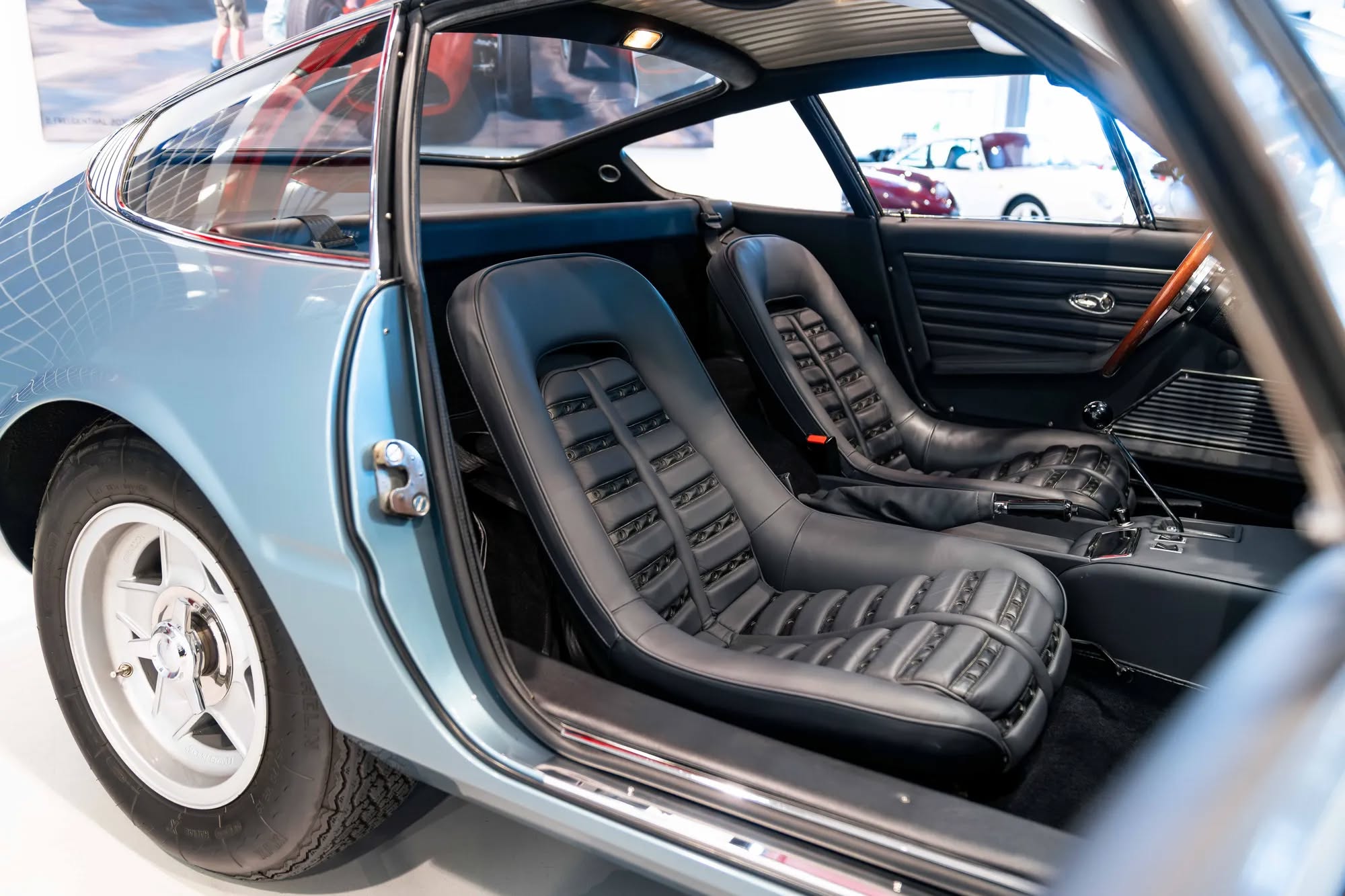
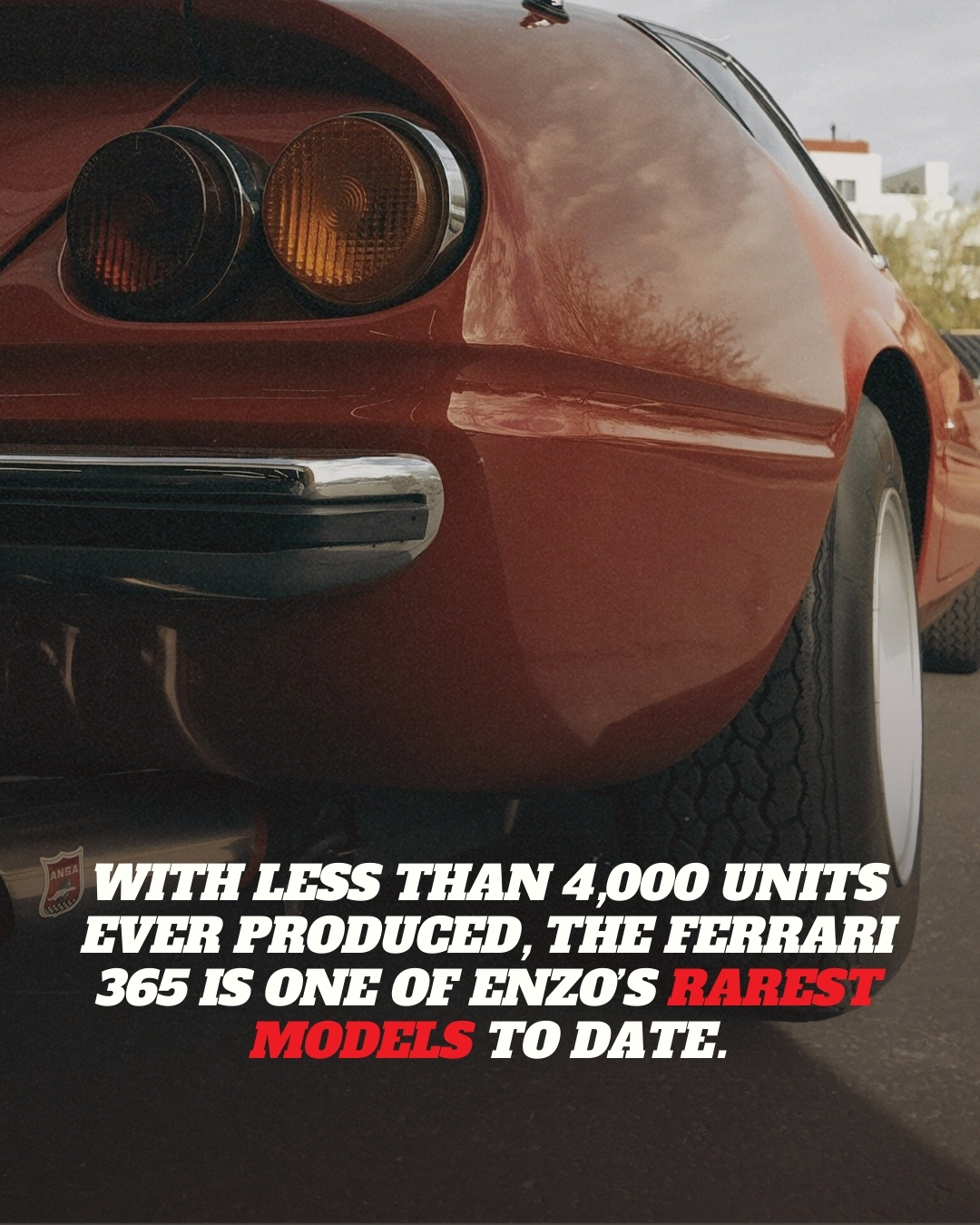
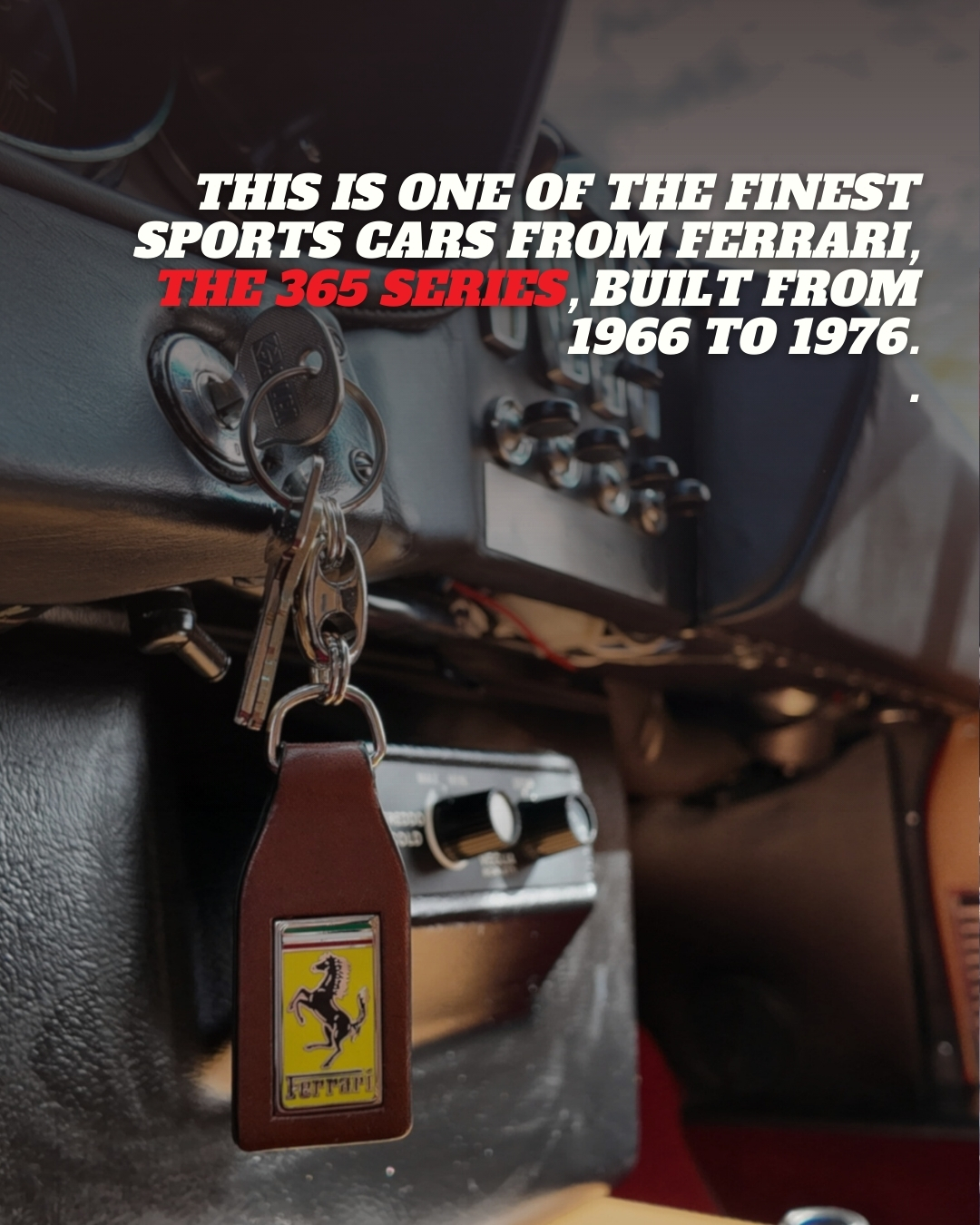
The Ferrari 365 series represents the final pinnacle of Maranello’s hand-built era. Produced between 1966 and 1976, total production output across all nine variants numbered just under 4,000 vehicles. Because these cars were constructed by individual artisans rather than automated assembly lines, many components were highly specific to individual models, and in some cases, to specific production weeks within the same model run.
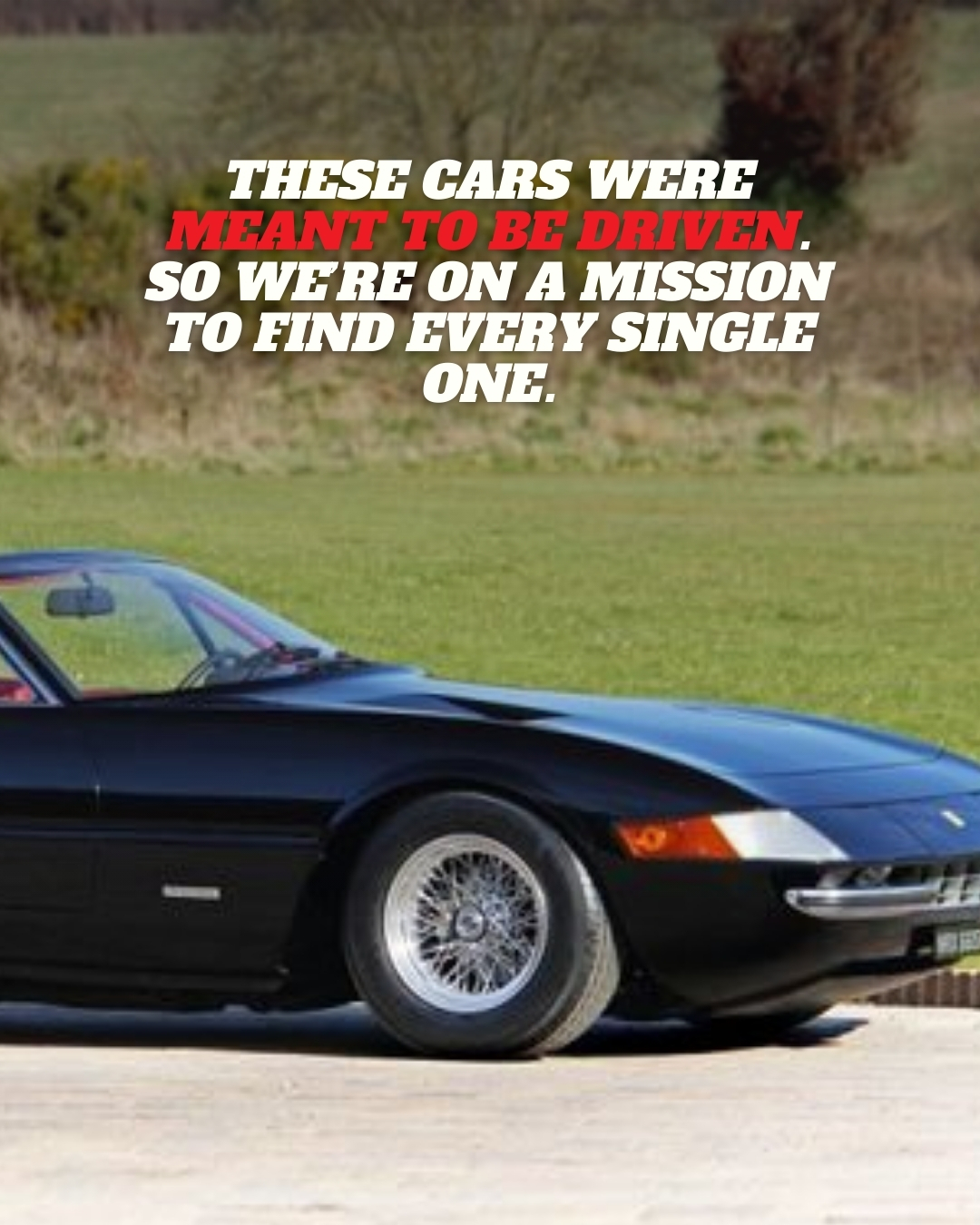

Sourcing Original Ferrari 365 Parts, Spares, and Accessories
Today, the original equipment manufacturers who fabricated these components are largely out of business. The secondary market for premium Ferrari 365 spare parts is highly fragmented, relationship-driven, and requires a fundamentally different approach than sourcing components for a modern or mass-produced classic vehicle.
Explore the Registry | Already a Member? Login
Whether you are currently restoring a Ferrari 365 to exacting concours specifications or maintaining a preservation-class driver for the open road, knowing where to look and what to verify before you buy Ferrari 365 parts will save you significant time, structural errors, and financial missteps.
For collectors researching where to buy vintage Ferrari parts, verified sourcing channels and registry-backed supplier relationships are often more valuable than public marketplace listings.
Every car in the 365 series has a history that extends beyond the factory record. If you own or have owned a Ferrari 365, we want to hear about it.
What Makes Ferrari 365 Parts Sourcing So Difficult
Every vehicle in the 365 lineage was meticulously hand-assembled. External aluminum and steel panel fit, internal mechanical tolerances, and even structural hardware specifications varied from chassis to chassis. This means that the primary challenge in any targeted Ferrari 365 parts search is precise identification.
You cannot simply search by model year. You must verify the exact chassis serial number to confirm the factory build specification your car possessed when it left the assembly floor. For example, a mechanical component cataloged as compatible with a general Ferrari 365 GTC/4 profile may or may not fit a specific chassis depending on exactly where it fell in the production timeline. The same principle applies across every variant in the series, from the Ferrari 365 GT 2+2 to the Ferrari 365 GTB/4 Daytona.
[Chassis Serial Number] >> Cross-Reference Registry >> Factory Build Sheet >> Component Verification
The sheer age of these vehicles introduces an additional layer of logistical difficulty. True NOS (new old stock) components are incredibly rare and command steep collector premiums when they occasionally surface through private estate liquidations. High-quality reproduction parts exist for a limited selection of high-wear items, but material quality and fitment tolerances vary significantly across independent fabricators.
Using incorrect, unvetted, or substandard components can negatively affect both mechanical reliability and documented originality. This directly affects what your car is worth on the open market.
Sourcing reliable Ferrari 365 replacement parts is rarely a linear process, but proper acquisition channels are accessible to owners who approach their projects methodically.
The market for authentic vintage Ferrari components operates almost entirely through specialist networks rather than traditional retail inventory systems.
Original vs. Reproduction Ferrari 365 Components
For an investment-grade vehicle at this tier of the collector car market, historical originality carries immense financial consequences. A classic V12 that retains its matching numbers, original mechanical components, and period-correct trim elements will consistently outperform an example rebuilt with aftermarket substitutes, regardless of how cleanly the mechanical work was executed.
View our Complete Ferrari 365 Model Lineup: All 9 Variants
The Originality Threshold: Is the component externally visible, structurally significant, or explicitly detailed on the car’s documented factory specification sheet? For any component that falls into one of those high-scrutiny categories, finding original classic Ferrari parts should be your default objective, not a backup option after a reproduction alternative has failed.
Not every item requires an original historical artifact. Consumables such as engine belts, cooling hoses, service gaskets, and internal brake hydraulic hardware are universally accepted across the industry as reproduction items. In many cases, utilizing modern reproductions for these consumables is completely unavoidable, since original rubber and asbestos-based equivalents are either non-existent or too structurally degraded for safe road use.
Ferrari 365 Selling Options: Auction vs. Dealer vs. Private Sale
Most Ferrari owners investigate the best way to sell a Ferrari 365 and realize they must weigh three primary channels: a private transaction handled directly or through a specialist, a consignment arrangement with a marque dealer, or placement with a major collector car auction house. Choosing the right channel is one of the most consequential decisions in the entire lifecycle of the asset.
The Private Sale Process
Navigating the transaction as a Ferrari 365 private seller typically delivers the best net financial return. There is no auction house buyer’s premium or seller’s commission eating into your equity, and you are transacting directly with the principal Ferrari buyer. The tradeoff is administrative effort, personal privacy, and qualified audience access.
Finding a serious prospect when selling a Ferrari 365 privately requires being directly in front of the right network. General digital vehicle platforms rarely surface qualified, capitalized buyers for a car at this price point. Private sales for a vintage V12 work best when the seller possesses an existing network in the collector world, or when the asset is marketed cleanly within a registry community that already understands the mechanical nuances of the model family.
The 365Ferrari sales network is the only registry-backed marketplace dedicated exclusively to the 365 series. It positions your car in front of active buyers who are already researching these specific variants rather than browsing general classic car inventory.
For sellers seeking direct access to qualified buyers, the 365Ferrari network was built specifically for this stage of the selling process.
The Dealer Alternative
Opting for a dealer consignment arrangement means accepting a direct margin concession in exchange for an immediate showroom footprint and a reduced administrative burden on your part. If a clean, quiet, and fast exit matters more than maximizing the final dollar amount, that trade makes sense. However, if optimizing net financial return is the primary priority, dealer consignment rarely produces the best mathematical outcome for a seller.
The Auction Dynamic
When comparing an auction vs. dealer vs. private sale Ferrari path, public auctions carry a highly volatile logic. Competitive bidding in a packed room can occasionally produce record-breaking results that no private transaction would have reached. However, it can also produce the opposite effect. A car that fails to meet its reserve or passes publicly carries that negative mark in its chassis history permanently.
Furthermore, auction transactional fees are substantial on both sides of the ledger, and not every 365 chassis is a suitable candidate for that high-pressure environment. Cars with complex international histories, minor gaps in their service logs, or deferred mechanical maintenance present poorly under auction-level scrutiny.
On seasonal timing: The collector car calendar concentrates around specific windows. Pebble Beach and Monterey in August generate the strongest public attention and the highest auction volumes. Spring concours events and the Cavallino Classic in January also move activity in the Ferrari community. If you are targeting a public auction, aligning your consignment timeline to these windows maximizes competitive bidding pressure. For private transactions, timing matters less, but entering the car market in the first quarter gives you the full selling season to work with before summer.
Ferrari 365 Parts Budget Framework
Parts sourcing for a Ferrari 365 restoration does not follow a predictable price-point, but understanding the general cost landscape before beginning helps owners allocate resources appropriately.
- Consumables and commonly reproduced service items represent the lowest tier of acquisition cost.
- Mid-tier items include remanufactured or refurbished mechanical assemblies such as carburetors, brake calipers, and suspension components.
- The highest cost tier involves NOS mechanical components, original trim and brightwork pieces, and factory-specification cabin hardware.
- Parts in that final category often surface through private channels, and their pricing reflects both rarity and the cost of access to the networks that locate them.
The 365Ferrari membership provides direct access to those networks before your sourcing budget is committed.
Join 365Ferrari Membership – $125/Year | Explore the Registry | Learn More
Locating a Vetted Ferrari 365 Parts Supplier
There is no centralized digital storefront for vintage Ferrari parts, which aligns precisely with how the high-end collector car ecosystem operates. The vintage market functions primarily through long-term specialist relationships, legacy supplier networks, and deep community knowledge rather than public retail listings.
Owners searching for Ferrari parts for sale should prioritize suppliers and registry networks with proven Ferrari 365 experience rather than generalized exotic car marketplaces.
The primary channels for locating authentic Ferrari 365 parts for sale include:
Specialist Marque Suppliers:
A small number of European and American heritage shops have built their businesses explicitly around legacy Ferrari mechanical components and drivetrain elements. These specialized facilities are the correct first stop for internal engine items, rare ignition components, and vintage electrical switches. When you are looking for a reliable Ferrari 365 parts supplier, verify their peer references, confirm their international return policies, and check their standing within the 365Ferrari registry community before committing to a purchase.
Marque Auctions and Private Inventory Liquidation:
When a vintage 365 is taken off the road or a legacy restoration shop closes its doors, its accompanying parts inventory often follows it to a specialist auction house or private sale. Monitoring these events regularly surfaces rare components that will never appear through conventional retail or digital channels. These events are frequently the most reliable way to source model-specific body panels and original cabin trim pieces.
Elite Car Club Networks:
Global owner groups maintain active registries where trusted classic Ferrari parts supplier lists are continually vetted and high-value sourcing leads circulate privately. Long-term private owners who have spent decades maintaining their own cars possess sourcing knowledge that no search engine can index. The 365Ferrari registry is the only network of this kind dedicated exclusively to the nine 365-series variants.
For owners searching for components that rarely appear publicly, registry communities often become the most reliable sourcing channel available.
Join 365Ferrari – $125/Year | Explore the Registry | Already a Member? Login
Authenticating a Ferrari Part Before Purchase
Because the parts market for vintage Ferrari components operates largely through private channels, authentication responsibility falls on the buyer. Before completing any significant purchase, confirm the following:
- Casting numbers, date codes, or stampings on the part are consistent with the production period of your specific chassis
- The seller can provide documented provenance for where the component originated, ideally referencing a specific donor chassis
- For any part that affects matching-numbers status, obtain a written description of the component’s history that can be added to your car’s documentation file, which directly supports its value at the point of future sale
- For critical drivetrain components, have your specialist independently assess the part before installation rather than relying solely on the seller’s representations
Parts that cannot be authenticated should either be treated as consumable service items or declined in favor of continuing the search through registry channels.
Locating and Authenticating Ferrari 365 Engine Parts
The Colombo-derived V12 engine architecture utilized across the 365 series is remarkably robust, but it is entirely hand-assembled and requires highly specific, period-correct components for any substantive mechanical overhaul. Specialized Ferrari 365 engine parts, including original carburetors, distributor assemblies, timing chains, and cam followers, must be matched precisely to your specific engine variant.
Many of the most difficult Ferrari 365 parts to locate are engine-specific mechanical assemblies tied to narrow production windows or highly limited factory configurations.
The 365 series spans two primary engine configurations. The Ferrari 365 GT 2+2 uses a single overhead camshaft per bank, a twin-cam V12 shared with the earlier Ferrari 365 GTC. The four-cam variants, including the Ferrari 365 GTB/4 Daytona, the Ferrari 365 GTS/4, and the Ferrari 365 GTC/4, all use dual overhead camshafts per bank. The “/4” suffix in each model designation refers to those four camshafts.
The Daytona and GTS/4 use a six-carburetor downdraft Weber setup, while the GTC/4 uses a sidedraft carburetor arrangement developed to lower the bonnet profile. Both configurations are highly sensitive to non-original jetting specifications and incorrect float weights, and engine components must be matched precisely to the carburetor type documented on your car’s factory build sheet.
Buying an engine component from a general classic car listing without confirming the exact carburetor type against your car’s factory build sheet is a common and expensive mistake.
The mid-engined Ferrari 365 GT4 BB presents additional sourcing complexity. Its horizontally opposed boxer engine configuration is entirely distinct from the front-engined 365 variants, and the parts supply for BB-specific mechanical items is narrower still. Owners of BB chassis should treat specialist supplier relationships as non-negotiable rather than optional, as general marque suppliers may carry limited inventory for this specific variant.
Vital Ferrari 365 mechanical parts for the manual gearbox and rear transaxle are most reliably sourced through specialized suppliers or boutique engineering firms that specialize in remanufacturing Maranello’s legacy drivetrain components. Consulting the 365Ferrari registry database before initiating a major drivetrain restoration will prevent specification mismatches before they become costly errors.
Sourcing Ferrari 365 Body Parts, Trim, and Interior Hardware
Sourcing vintage Ferrari 365 body parts presents an entirely unique set of coachwork challenges. Because these elegant bodies were hand-formed over wooden bucks at Carrozzeria Pininfarina or Scaglietti, the exact exterior dimensions and panel gaps between any two cars from the same production run can vary significantly.
Sourcing a replacement aluminum or steel panel from a donor car will rarely produce a seamless drop-in fit without highly skilled metalwork to adapt it to your specific chassis. This process requires a specialized vintage coachwork craftsman rather than a general collision repair shop. Wherever preservation, metal straightening, and repair of the original factory panel is achievable, it will produce a superior aesthetic result and preserve a stronger provenance record than replacing the panel entirely.
| Component Category | Preferred Sourcing Approach | Key Verification Metric |
| Mechanical Parts | Specialist Marque Suppliers and Remanufacturing Machinists | Matching Numbers and Factory Build Sheet Specs |
| Body Panels | Donor Vehicles and Specialty Metal Fabricators | Coachwork Artisan Fitment and Chassis Alignment |
| Trim and Brightwork | Registry Marketplaces and Italian Tooling Specialists | Original Script Fonts and Plating Authenticity |
| Interior Hardware | Classic Car Upholstery Artisans | Period-Correct Textures and Instrument Calibration |
Authentic Ferrari 365 trim parts, including chrome brightwork, specialized window rubber seals, original script badges, and exterior trim fittings, are best sourced through the 365Ferrari registry marketplace or elite Italian fabricators who have maintained the original production tooling.
Collectors searching for rare Ferrari parts for sale will often find that original trim, brightwork, and interior hardware represent the most difficult categories to source correctly.
Interior components, including original seat frame structures, vintage instrumentation, and period-correct upholstery textures, are generally better restored by an expert classic car upholstery artisan than sourced as pre-fabricated replacement units, as very few reproduction interiors meet the concours-level quality appropriate for a 365-series car.
Storing and Preserving NOS Ferrari 365 Components
When NOS components are located, proper storage becomes an immediate priority. Original rubber seals, gaskets, and weatherstripping that have been in storage for decades require careful climate-controlled preservation to remain viable. Metal components should be stored away from moisture and inspected for corrosion before any long-term hold. Document every NOS acquisition in writing, including the source, the date, and any relevant provenance details, and add that documentation to your car’s record file. A NOS component with documented provenance supports your car’s market value at the point of sale in ways that an undocumented equivalent cannot.
Restoring a Ferrari 365: How Registry Membership Accelerates Sourcing
One of the most immediate practical benefits of establishing a 365Ferrari membership is gaining direct access to an exclusive owner-to-owner community where hard-to-find parts leads, vetted supplier lists, and decades of collective sourcing experience circulate freely. When you are actively working on a Ferrari 365 restoration and traditional commercial channels have failed to produce results for a critical component, the collective knowledge within the global registry membership is frequently the resource that closes the gap.
Traditional Channels Fail >> Tap Registry Network >> Member-to-Member Sourcing >> Component Located
Registered members also have access to historical build sheets and documented factory information for specific chassis numbers within the database. This data is critical for clarifying original component specifications before a parts search begins, which matters significantly for cars that have passed through multiple international owners or undergone older, partial restoration work where the current configuration may not accurately reflect the car’s original factory state.
Knowing exactly what equipment your vehicle left the factory with before committing thousands of dollars to a parts purchase is not a minor detail. For any restoration project that touches documented originality, consulting the verified registry record is the most important step you can take before sourcing begins. Owners preparing a restored car for eventual sale will also find the Ferrari 365 valuation guide and the sales and acquisitions page useful resources for understanding how restoration decisions translate into market outcomes.
Secure Your Sourcing Advantage with 365Ferrari
Sourcing authentic classic Ferrari parts takes significantly longer than sourcing components for almost any other vintage sports car, but the acquisition channels are highly reliable for owners who approach the process with verified information. The combination of elite specialist suppliers, historical club networks, and an active registry community provides complete lifecycle support for both comprehensive concours restorations and ongoing mechanical maintenance.
Whether you are searching for Ferrari 365 parts, rare drivetrain assemblies, or verified vintage Ferrari parts with documented provenance, the 365Ferrari network provides direct access to experienced owners and trusted sourcing channels.
For owners undertaking a major restoration or preparing for extended mechanical work, establishing a 365Ferrari yearly membership is an investment that should be made before the parts sourcing phase begins. The sourcing advantages, supplier connections, and community access are immediate and extend well beyond a single transaction.
Ready to register your vehicle and access verified build records? Submit your details through the Ferrari submission portal to establish your chassis record before sourcing begins.
Looking for available components or listed vehicles? Explore the curated 365Ferrari sales marketplace.
Already a member? Log in to access your account dashboard, connect with fellow owners, and search the registry database.
Have a specific technical question about your chassis? Reach the archival team directly through the contact page.
Join the 365Ferrari Community
The 365Ferrari membership connects owners, buyers, enthusiasts, and researchers around the nine models Ferrari built during its hand-built V12 era. Membership is $125 per year and provides full access to the registry, owner network, marketplace, documentation services, and the events calendar.
Ownership is not required. The membership is open to anyone with a serious interest in the Ferrari 365 series.
Follow @365ferrari on Instagram and 365Ferrari on Facebook to see the community in action before you join.
