

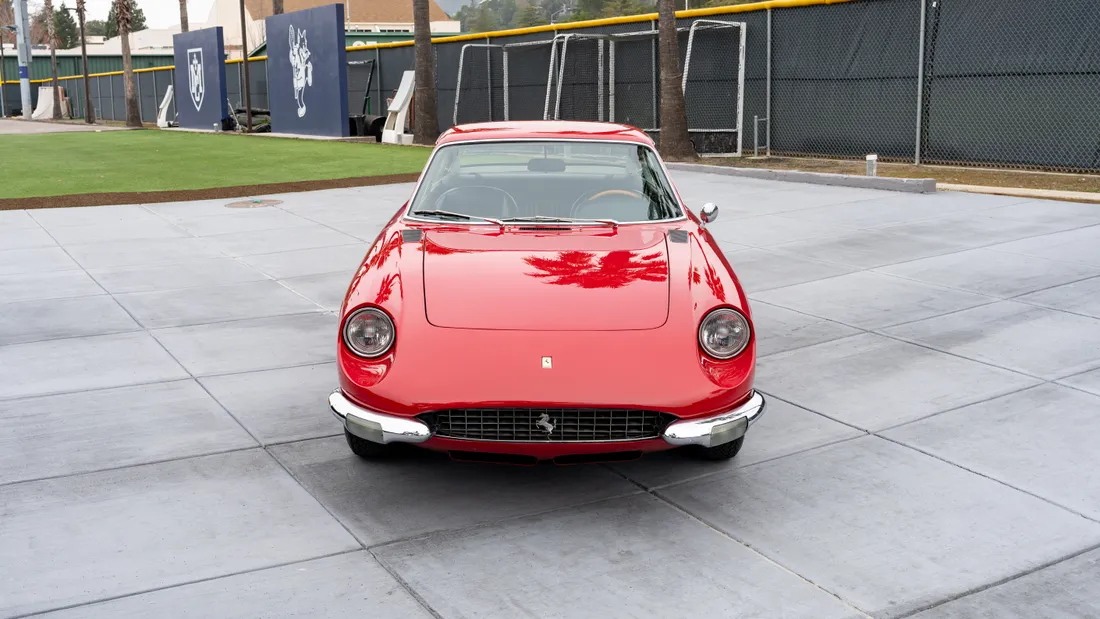
By John Castrogiovanni, Founder of 365Ferrari, the official registry for Ferrari 365 series cars.
Matching numbers is the single most consequential phrase in the vintage Ferrari market. It drives pricing decisions, shapes insurance valuations, determines auction estimates, and separates investment-grade cars from project vehicles. It is also one of the most misunderstood and most frequently misrepresented claims a seller can make.
How to Authenticate a Classic Ferrari
This guide explains what Ferrari serial number authentication actually involves, where the numbers live, what they confirm, and what process a serious buyer or owner needs to follow to establish a credible, defensible record of a Ferrari 365 series car’s originality. The stakes are high enough that partial knowledge is worse than no knowledge at all.
Why Ferrari Serial Number Authentication Matters
The vintage Ferrari market rewards originality with a premium that can move final transaction prices by fifty percent or more. A Ferrari 365 GTB/4 Daytona with certified matching numbers, an unbroken ownership chain, and a documented drivetrain is a fundamentally different asset from a Daytona where the engine has been replaced, regardless of how well the mechanical work was performed. Ferrari matching numbers verification is what establishes which category a car belongs to, and the price difference between those two categories can be substantial.
The authentication stakes are highest at the end of the 365 series value hierarchy. The Ferrari 365 GTS/4 Daytona Spider is the most documented case: factory production totaled 122 authentic examples, but more than 140 fraudulent conversions from GTB/4 coupes are known to exist. Buyers in that market who do not conduct rigorous independent authentication before purchase are not taking a calculated risk. They are operating without the information required to make a rational decision.
Authentication is not only a buyer’s concern. Sellers who have invested in proper documentation, registry verification, and Ferrari Classiche certification realize those investments at the point of sale in ways that undocumented cars cannot match.
Understanding Ferrari Chassis Numbers
Ferrari assigned chassis numbers sequentially across production. On 365 series cars, the chassis number is the primary identifier that connects a specific car to its factory build record. It appears in multiple locations on the car and on the title documentation. Consistency across all locations is the first authentication checkpoint.
How to Verify a Ferrari Chassis Number
On 365 series production, chassis numbers are stamped in three places: the firewall in the engine compartment, the Ferrari VIN verification plate mounted in the driver’s door jamb or on the dashboard, and in some cases on structural frame members. All three should match – and the stamping itself should be consistent in depth, font, and spacing with known factory examples.
In our experience at 365Ferrari, here’s what you’re looking for and what should terminate a Ferrari transaction:
- Uneven stamp depth
- Inconsistent character spacing
- Signs of grinding or restamping
- Any evidence that the surrounding metal has been disturbed
These are not minor concerns. Any one of them warrants specialist investigation before the deal moves forward.
The title and all supporting ownership documents must match the chassis number exactly. A discrepancy between the stamped number and the title VIN is a serious problem, not a paperwork technicality, and must be resolved through the appropriate legal and documentation channels before the car changes hands.
Engine and Gearbox Number Verification
When a Ferrari is described as matching numbers, it means the engine, gearbox, and chassis numbers all align with the original factory build record for that exact car – verified through Ferrari by serial number documentation. That’s what separates a true matching-numbers car from one that’s simply correct.
The Colombo V12 engine block carries its own casting number and assembly number, stamped on the block during production. These numbers are documented on the factory build sheet and can be cross-referenced against Classiche records and registry databases. An engine number that does not correspond to the chassis record indicates an engine replacement at some point in the car’s history. This does not necessarily make the car worthless, but it does place it in a different tier of the market and requires honest disclosure.
The gearbox casting carries a corresponding number that should align with the factory specification for the model. On 365 GTC/4 and 365 GT4 2+2 cars, where the gearbox is conventionally mounted rather than in a rear transaxle configuration, the casting is accessible for direct inspection. On Daytona variants with the rear transaxle, the inspection process requires more effort but the verification is no less important.
Date codes on ancillary components, including carburetors, distributors, and other bolt-on assemblies, provide secondary confirmation. Factory-correct components carry casting or stamping dates that should precede or align with the car’s production date. Components with date codes that postdate the production year indicate replacement, which may or may not be significant depending on the component category.
Documentary Verification
Physical number matching is necessary but not sufficient on its own. The documentary record is the second layer of a complete authentication process.
The factory build sheet is the primary documentary source. It records the chassis number, engine number, gearbox number, original color specification, market configuration, and factory-fitted options as they existed when the car left Maranello. A car with a matching, legible build sheet in its documentation file is on materially stronger footing than one without. Build sheets do surface for 365 series cars, though they are not universally present. Their absence is not disqualifying, but their presence adds a layer of verifiable certainty that sophisticated buyers recognize and pay for.
Ferrari Classiche certification is the gold standard for factory authentication of qualifying vintage Ferraris. The Classiche program involves direct access to Ferrari’s historical archives and results in the Red Book, a formal certification document that confirms the car’s original specification and current state of originality. For 365 GTB/4 Daytona sellers in particular, Classiche status is increasingly expected by serious international buyers and can be a decisive factor in closing a transaction at full value.
The Ferrari Classiche Red Book documents how the car was born. The 365Ferrari registry preserves everything that followed.
Ferrari Registry Verification
The 365Ferrari registry maintains chassis-level records for documented cars across all nine 365 series variants. For authentication purposes, the registry provides two distinct services.
For cars already in the database, the registry record constitutes an independent, institutional confirmation of the car’s documented history that exists outside the seller’s own file. A buyer conducting due diligence on a specific chassis can verify the car’s registry entry independently, which removes the seller’s documentation from the chain of custody and provides a neutral third-party record.
For cars not yet in the database, submitting your car to the registry before entering the market establishes that institutional record before the sale process begins. This is the most important preparatory step an owner can take before listing a car, because it creates a verified provenance document that will survive the transaction and follow the car into its next ownership.
When to Involve a Ferrari Specialist
Physical authentication of a vintage Ferrari is not a DIY process for high-stakes decisions. A qualified Ferrari specialist with direct experience on 365 series cars can assess stamping authenticity, identify evidence of number alteration, evaluate component date codes, and provide a written inspection report that becomes part of the car’s documentation file.
John Castrogiovanni built the 365Ferrari registry specifically around this gap. The absence of a neutral, institutional record that survives the transaction and travels with the car.
For any purchase above a nominal threshold, an independent pre-purchase inspection by a specialist the buyer has selected, not one recommended by the seller, is standard practice in this market. Sellers who resist an independent inspection signal a problem more clearly than any inspection report ever could.
The authentication process, from physical verification through documentary review, registry confirmation, and specialist inspection, is the infrastructure that separates a correctly priced asset from an expensive mistake. It is not optional due diligence. It is the minimum standard for transacting responsibly in this market.
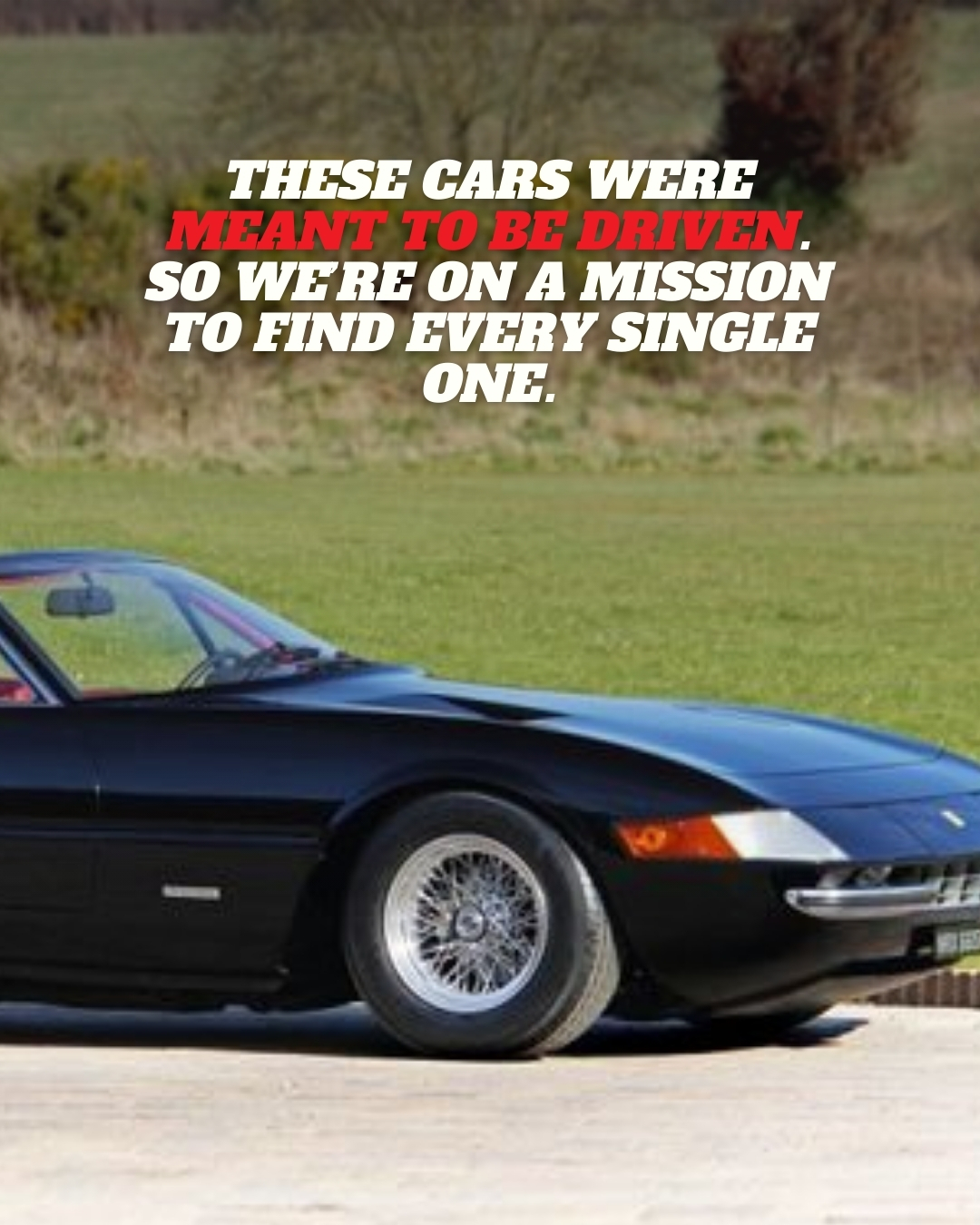
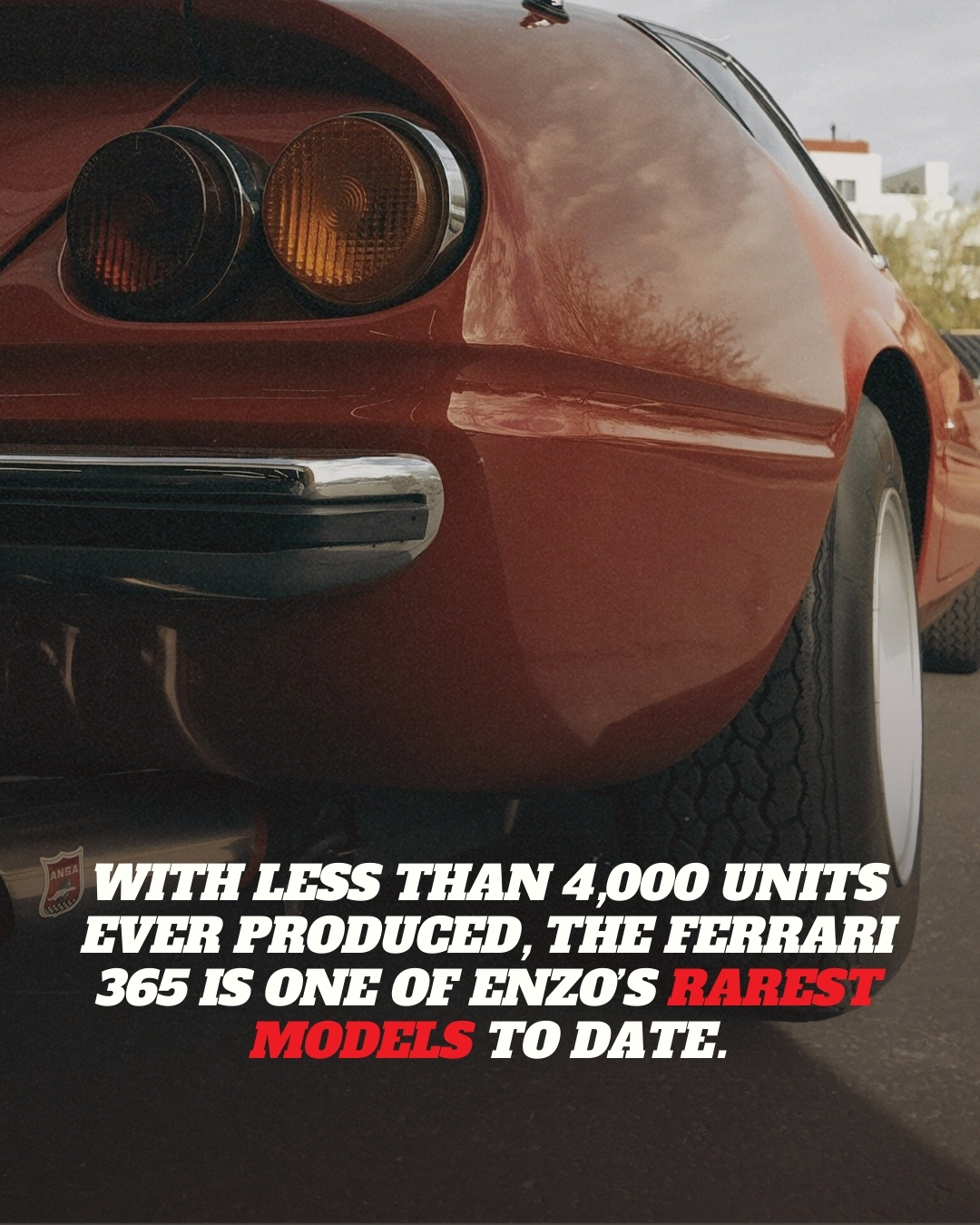
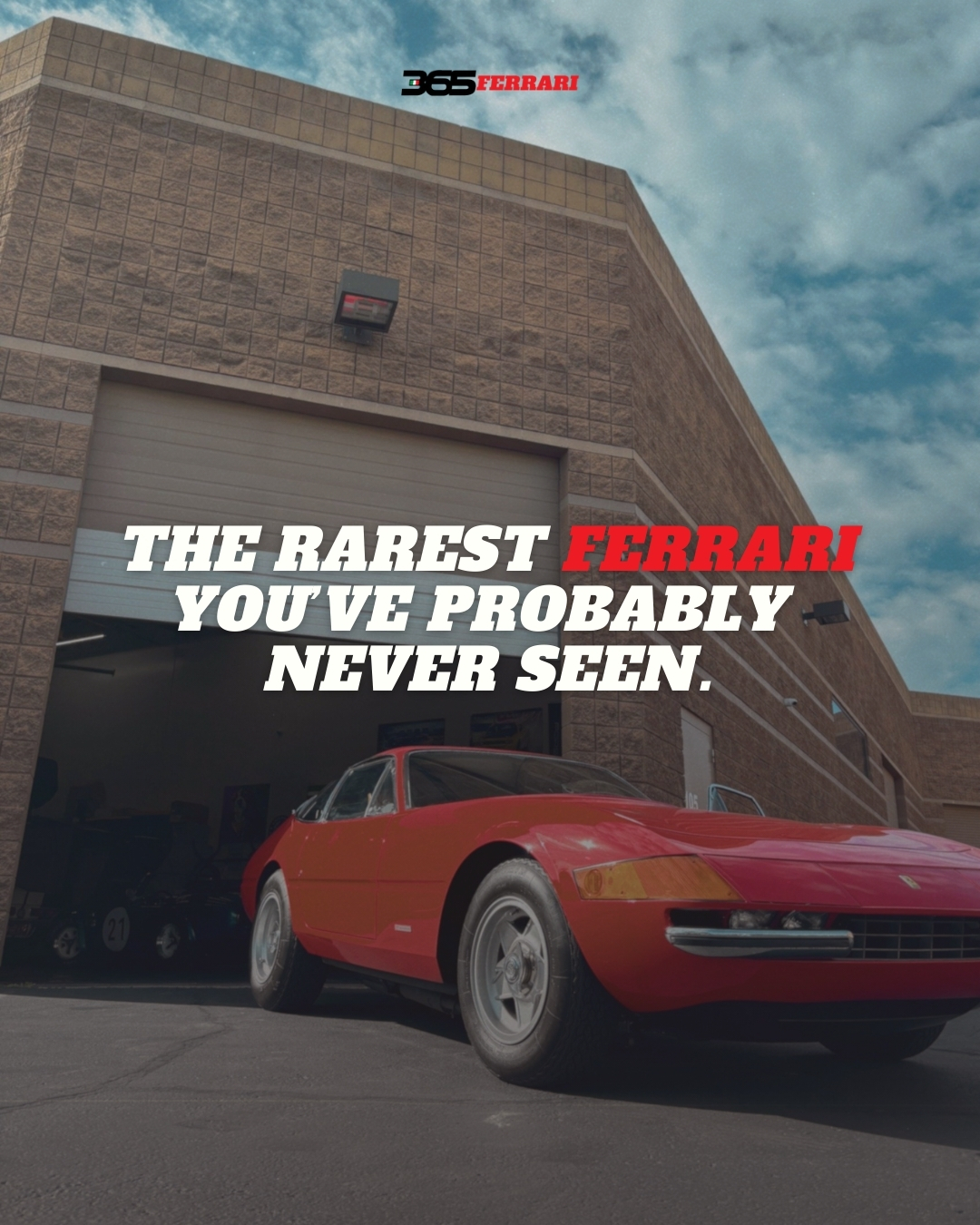

Every car in the 365 series has a history that extends beyond the factory record. If you own or have owned a Ferrari 365, we want to hear about it.
Join the 365Ferrari Community
The 365Ferrari membership connects owners, buyers, enthusiasts, and researchers around the nine models Ferrari built during its hand-built V12 era. Membership is $125 per year and provides full access to the registry, owner network, marketplace, documentation services, and the events calendar.
Ownership is not required. The membership is open to anyone with a serious interest in the Ferrari 365 series.
Follow @365ferrari on Instagram and 365Ferrari on Facebook to see the community in action before you join.
