


Ferrari 365 GT 2+2 Buyer’s Guide
What to Know Before Buying the Four-Seat V12 Ferrari That Gets Driven
Reviewed by John Castrogiovanni, 365Ferrari
The Ferrari 365 GT 2+2 is the most attainable path into twin-cam V12 Ferrari ownership with four seats, and one of the most usable classic Ferraris ever built. With 801 examples produced between 1968 and 1971, it is the most numerous of the twin-cam 365s, which means more cars on the market, more comparable data, and more room for a careful buyer to find the right example. For the full model story, start with our Ferrari 365 GT 2+2 history.
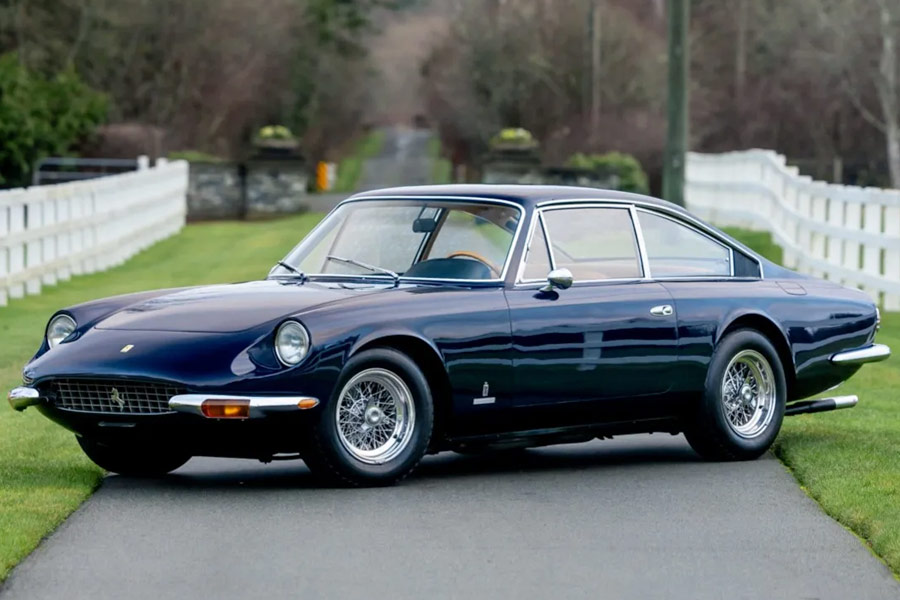
The market runs from approximately $100,000 for project-grade examples to $350,000 and above for exceptional, documented, matching-numbers cars. That spread is the entire game: the difference between the bottom and top of the range is not the car, it is the condition tier, the documentation, and the deferred maintenance. This guide covers how to tell which one you are looking at.
Join 365Ferrari Membership – $125/Year | Explore the Registry | Learn More
FERRARI 365 GT 2+2 BUYER QUICK FACTS
- Production: 801 examples (1968-1971)
- Engine: 4.4L Colombo V12, 2-cam (SOHC per bank), 320 hp
- Carburetors: 3x Weber
- Market Range: $100,000-350,000+ (condition and documentation dependent)
- Signature System: Hydropneumatic self-leveling rear suspension
- Key Advantage: Genuine four-seat usability with V12 performance
- Biggest Cost Trap: Deferred maintenance priced as a discount
- First Step: Registry verification before inspection
The four-seat case: why buyers choose the GT 2+2
The GT 2+2 was Ferrari’s practical flagship: a car built to carry four people quickly, comfortably, and daily. Power steering made it effortless where its rivals were heavy, the rear seats are genuine rather than decorative, and the twin-cam Colombo V12 delivers its 320 horsepower with broad, flexible torque suited to real roads.
That usability shapes the market in the buyer’s favor. A 365 that gets driven holds demand across market cycles, and the GT 2+2’s production volume keeps its market liquid where its rarer twin-cam siblings, the 365 GTC and 365 GTS, trade only occasionally. For a buyer who wants to use the car, this is the twin-cam to buy. For four seats at a lower entry point, the quad-cam 365 GT4 2+2 is the alternative comparison worth making, and the two markets are covered side by side in the Ferrari 365 Price and Value Guide.
The value hierarchy: what moves a GT 2+2 within its range
Within the $100,000-350,000+ range, position follows the same order as the rest of the series. Matching numbers lead: engine and gearbox castings verified against the factory record separate the cars that appreciate from the cars that merely trade. Documentation completeness follows: a continuous service file and unbroken ownership chain justify real premiums at the top of the range, and their absence explains most of the cars at the bottom.
Originality beats restoration quality here as everywhere in the series, with one GT 2+2-specific note: because these cars were driven, honest wear with documentation reads better to informed buyers than fresh cosmetics over an undocumented history. Correct color and factory specification matter at the margins. For how these factors combine on a specific car, see what your Ferrari 365 is worth, where members access the comparable sales database.
Pre-purchase inspection priorities for a Ferrari 365 GT 2+2
The self-leveling rear suspension comes first, because it is the system general shops cannot service. The GT 2+2’s hydropneumatic self-leveling rear end is the model’s signature engineering and its signature inspection item. Confirm it holds ride height, ask when it was last serviced and by whom, and treat a car that sits low at the rear or has had the system bypassed with aftermarket components as a car with an open repair bill. A correctly functioning original system is a value marker; a bypassed one is a permanent originality deduction.
Chassis and body follow. Rust points are the familiar ones: floor pans, sills, and the windshield frame. Check panel gaps, evidence of accident repair, and glass markings. At this price tier, structural honesty matters more than paint quality.
Mechanically, the twin-cam engine is the simpler, cheaper-to-maintain sibling of the quad-cam cars, which is part of the ownership case, but it is not maintenance-free. Compression test first. The three-Weber setup needs specialist synchronization; ask when. Review the cooling system, valve adjustment history, and the gearbox, and confirm the power steering operates correctly, since it is standard equipment and part of what makes the car what it is.
On ownership costs, the GT 2+2 is the value proposition of the V12 range: three carburetors instead of six, wet sump simplicity, and mechanical commonality with the GTC and GTS for parts sourcing. The trap is the same as everywhere in the series: deferred maintenance transfers to the buyer at full cost, and a cheap GT 2+2 with a thin file is rarely cheap. Weigh recent major-service history as heavily as condition.
Documentation checks are non-negotiable: title and VIN match, build sheet where present, service file, ownership chain.
And the governing standard: an independent pre-purchase inspection by a Ferrari specialist you selected, with specific experience on the self-leveling system. Seller resistance to an independent PPI is itself a finding. Prepared sellers expect it; our guide on how to sell a Ferrari 365 tells them so.
Auction, dealer, or private sale: Ferrari 365 GT 2+2
Auction offers selection and price discovery, with buyer’s premiums and compressed inspection windows; arrange access before the sale. Dealer inventory offers convenience at a margin; judge the specific dealer’s marque credibility. Private purchase typically offers the best value and fullest access to the car’s history, and the 365Ferrari sales marketplace positions buyers in front of registry-verified cars from sellers who understand what they have. For international purchases, confirm import documentation with a licensed customs broker and use a specialist escrow service.
Verify before you buy
The registry maintains chassis-level records that exist outside any seller’s file. For the GT 2+2, with 801 cars and five decades of ownership histories, that independent record is the difference between a documented car and a claimed one. Membership adds the owner network, specialist referrals for the self-leveling system, and the documented histories across the production run.
Join 365Ferrari Membership – $125/Year | Explore the Registry | Contact for a Chassis Inquiry
Ferrari 365 GT 2+2 buyer FAQs
How much is a Ferrari 365 GT 2+2?
A Ferrari 365 GT 2+2 trades between approximately $100,000 for project-grade examples and $350,000 and above for exceptional, documented, matching-numbers cars. Condition tier and documentation determine position; see the Ferrari 365 Price and Value Guide.
What should I inspect before buying a Ferrari 365 GT 2+2?
Before buying a GT 2+2, inspect the self-leveling rear suspension first, then the rust points, then compression, Weber synchronization, the cooling system, and the power steering. An independent PPI by a buyer-selected Ferrari specialist with self-leveling experience is mandatory.
Is the Ferrari 365 GT 2+2 a good first classic Ferrari?
The GT 2+2 is one of the strongest first-classic-Ferrari candidates in the V12 range: simpler twin-cam mechanicals, genuine daily usability, four seats, and a liquid market of 801 cars. The requirement is the same as any 365: buy documentation, not a discount.
How many Ferrari 365 GT 2+2s were built?
Ferrari built 801 examples of the 365 GT 2+2 between 1968 and 1971, making it the most numerous of the twin-cam 365s. Full model history is on the GT 2+2 history page.
What is the self-leveling suspension and why does it matter?
The GT 2+2 carries a hydropneumatic self-leveling rear suspension that maintains ride height under load. It is the model’s signature system, few general shops can service it, and its condition and originality are meaningful value factors on any example.
Explore more Ferrari 365 models
Ferrari 365 GT 2+2 History: The complete model story, 801 built
Ferrari 365 GT4 2+2: The quad-cam four-seater that followed, 525 built
Ferrari 365 GTC: The two-seat twin-cam, 168 built
Ferrari 365 GTB/4 Daytona: The performance flagship, with its own buyer’s guide
Preserving the History of Every Ferrari 365
Members gain access to verified registry entries, historical documentation, and a global community dedicated to preserving Ferrari’s hand-built 365 era.
Join Our Ferrari Community
There are three ways to become part of the 365Ferrari community.
Start by following @365ferrari on Instagram and 365Ferrari on Facebook, where the community shares its cars, its history, upcoming events, and the ongoing work of documenting the 365 series.
When you are ready for full access, the 365Ferrari membership opens the complete registry, the owner network, the marketplace, and every documentation resource the community has built. One tier, full access, $125 per year.
And if you own one of these cars, add it to the record. The Ferrari submission portal is where your GT 2+2 becomes part of the registry: documented, verified, and preserved, with its provenance protected for every owner who follows.
